Renvations Team
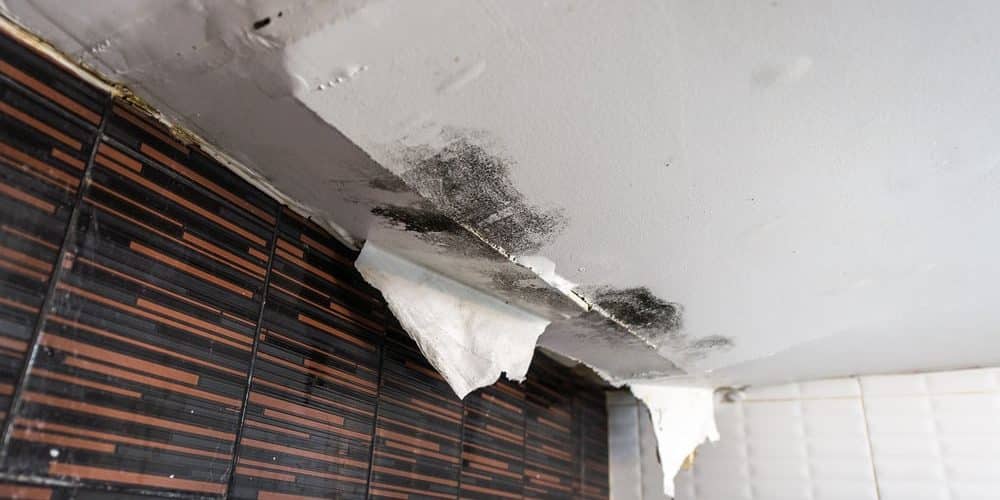
One of the most common issues in a house can be the cracks in the ceiling, this often happens when you buy an old house, or it’s been a long time since you have renovated your house. There can be different reasons behind cracks in ceiling. Whatever the reason, you must solve this problem as soon as possible. The problem can increase, and it also looks bad, so how it happens, and the methods to solve this problem will be provided in this article.
Causes of Cracks
Among the most common causes of this problem is settling. When a house settles, the whole structure may shift slightly, causing cracks to form. This type of rupture is usually small and may not require any immediate attention.
Another common cause of ruptures is moisture. Moisture can cause the drywall or plaster to expand and contract, resulting in fracture. This type of rupture may be more significant and require repairs to prevent further damage.
Some scenarios can signify a more serious issue, such as a structural problem. If the gaps in your building are accompanied by other symptoms, such as sagging or unevenness, it’s important to have a professional inspect your home.
Solutions for this Problem
The solution to this problem will depend on the cause and severity of the issue. Here are some common solutions for addressing ruptures in your house:
For Small Cracks
If the rupture in your ceiling is small and only cosmetic, you may be able to address it with a simple patching compound. A patching compound is a material that can fill in the gap and create a smooth surface. Once the compound dries, you can sand it down to create a seamless finish.
For Moderate Cracks
If the crack in your ceiling is more significant, you may need to take additional steps to address it. One solution is to use a joint compound, a type of material that can fill in larger gaps. A joint compound is applied in layers; each layer must dry before the next layer can be added. Once the joint compound has been applied, it can be sanded down to create a smooth finish.
For Severe Cracks
If the split in your ceiling is severe or accompanied by other symptoms, such as sagging or unevenness, it’s important to have a professional inspect your home. A professional can assess the cause of the split and provide a solution that addresses the underlying issue.
Prevention of this Issue
While some ruptures are inevitable, there are steps you can take to prevent them from occurring. Here are some tips for preventing this issue
Monitor Moisture Levels
Moisture is one of the most common causes of ceiling cracks, so monitoring moisture levels in your home is important. Ensure your home is properly ventilated, and immediately fix any leaks or water damage.
Maintain Proper Humidity Levels
Humidity can also contribute to ceiling cracks. Use a dehumidifier to maintain proper humidity levels in your home, especially in areas with high moisture, such as bathrooms and kitchens.
Address Settling
Settling can cause small cracks in your ceiling. If you notice settling in your home, have a professional assess the issue and address it before it causes further damage.
Use Proper Materials
When installing drywall or plaster, make sure you use the proper materials and techniques to prevent cracking. This may include using fiberglass tape to reinforce seams or installing a moisture barrier.
Monitor Temperature Changes
Rapid temperature changes can cause materials to expand and contract, which can lead to cracking. Keep your home at a consistent temperature to prevent this from occurring.
Conclusion
In conclusion, this can be a common issue in many homes. While some gaps may be small and only cosmetic, others may be a sign of a more serious issue. By understanding the causes of ceiling cracks and taking the appropriate steps to address them, you can prevent further damage to your home. It’s important to remember that severe cracks or cracks accompanied by other symptoms may require professional attention, so don’t hesitate to call in a professional if necessary.